











Artificial Intelligence (AI) holds immense potential to transform traffic management, leading to smarter cities with smoother traffic flows. Utilizing technologies like machine learning and computer vision, traffic management systems may become more efficient, adaptive and predictive than ever.
AI plays a critical role in traffic management by providing intelligent traffic signal control. Traditional traffic signal systems operate with fixed timings or preprogrammed patterns that don’t take account of real-time traffic conditions, but AI allows traffic signals to adjust dynamically according to traffic flows reducing congestion and optimizing throughput. Machine learning algorithms can analyze traffic data collected from sensors, cameras, and GPS devices in order to make accurate predictions regarding patterns that optimize signal timing accordingly.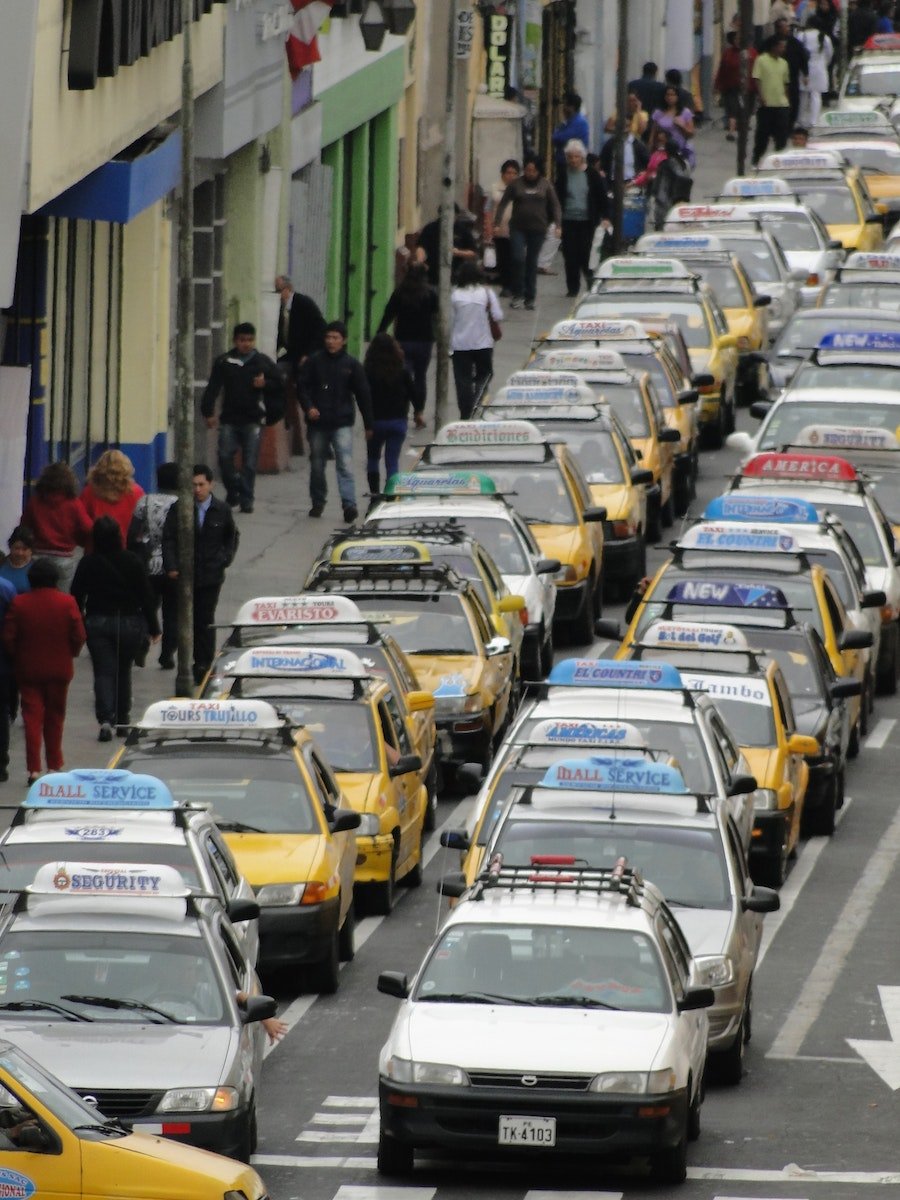
AI-powered traffic management systems can enhance traffic flow by rapidly detecting and responding to incidents more effectively. Combining computer vision algorithms with surveillance cameras enables authorities to rapidly locate accidents, roadblocks or any other incidents which need their immediate response; while real-time updates provide drivers with valuable information needed for informed decision-making as they choose alternate routes reducing delays and congestion.
AI can also improve transportation infrastructure by analyzing vast amounts of data derived from different sources, including historical traffic data, weather conditions, public transportation schedules and social media feeds. By processing and analyzing this information, AI algorithms can identify traffic patterns, predict demand for transportation services and suggest changes such as new road designs or public transportation routes to optimize transportation infrastructure.
AI can significantly improve traffic management systems. Utilizing advanced sensors and computer vision algorithms, AI algorithms can detect risky behavior such as speeding or sudden lane changes on roads. With this data at hand, warnings or automated enforcement of traffic regulations can be issued automatically to make roads safer for both drivers and pedestrians alike.
AI integration in traffic management systems offers great potential to create smarter cities with smoother traffic flow. By employing machine learning, computer vision, and data analysis techniques, AI can optimize traffic signal control, improve incident detection and response, optimize transportation infrastructure optimization, enhance safety measures and enhance overall efficiency and sustainability for urban mobility. With continued advancement of AI technologies traffic management systems can pave the way to greater urban mobility efficiency and sustainability.