











Driving at night can be a challenging challenge, with reduced visibility posing risks to both drivers and pedestrians alike. Thanks to recent advancements in technology, night vision systems now exist that significantly enhance our ability to see clearly in low light conditions – this article will discuss their advantages as a means of increasing road safety.
Enhance Visibility: Night vision technology offers drivers several key advantages when driving at nighttime. Traditional headlights have limited reach and effectiveness, while night vision systems utilize infrared sensors and thermal imaging technology to detect objects beyond the reach of traditional headlights – using heat signatures converted to visible images these systems enable drivers to identify potential hazards like pedestrians, animals or obstacles even in complete darkness.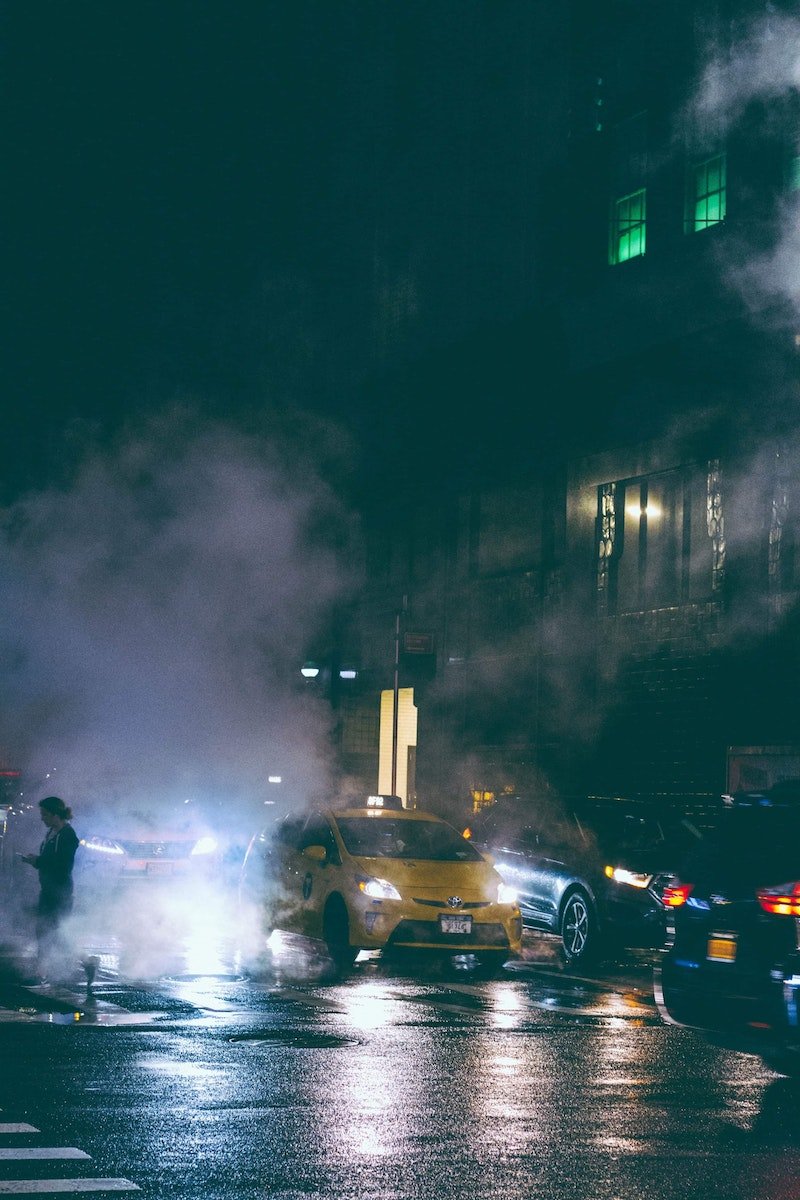
Reduced Accidents:
Night vision technology has proven its ability to significantly decrease accidents on the road caused by low visibility at night. According to studies conducted, accidents related to low light have greatly decreased since its implementation into vehicles; providing drivers with clearer visuals helps speed reaction times for faster responses which ultimately help avoid collisions and save lives.
Types of Night Vision Systems: Two major types of night vision systems currently used by motorists are active and passive systems. Active systems emit infrared light that bounces back when it strikes objects, providing clear images for drivers. Meanwhile, passive systems detect ambient thermal radiation and convert it into images for viewing by passive systems. Both offer significant improvements in visibility; their methods differ however.
Benefits Beyond Nighttime Driving:
While night vision technology primarily benefits nighttime driving, its usefulness extends far beyond mere dark conditions. Night vision systems’ ability to see through fog, rain or smoke makes them invaluable in various weather conditions and they also aid drivers in identifying pedestrians or animals who blend into their environments without risk of collision during daytime driving.
Future Innovations:
With technological progress continuing apace, night vision systems should experience further advancement. Researchers are actively engaged in designing more compact and cost-effective solutions that are suitable for widespread adoption. In addition, integration with other safety features like collision warning systems or autonomous driving functions are being explored as ways to further increase overall road safety.
Conclusion: Night vision technology has transformed nighttime driving by dramatically increasing visibility and decreasing risks associated with poor lighting conditions. These advanced systems enable drivers to detect potential dangers instantly and take necessary measures, ultimately improving overall road safety. With continuous advancements and future innovations on its horizon, night vision holds great promise for making our roads safer no matter the time of day or weather condition.