












Engines are at the core of any vehicle, yet understanding their performance metrics can often be an arduous task for drivers. Here, we aim to demystify two important metrics – horsepower and torque – in order to equip car enthusiasts and everyday drivers alike with knowledge necessary to make informed decisions.
Horsepower, an iconic term associated with engine power, measures how quickly an engine can perform work and is often used to assess speed capabilities of vehicles. As horsepower rises, more power an engine can deliver, leading to faster acceleration and higher top speeds – though horsepower alone doesn’t provide a comprehensive snapshot of an engine’s overall performance.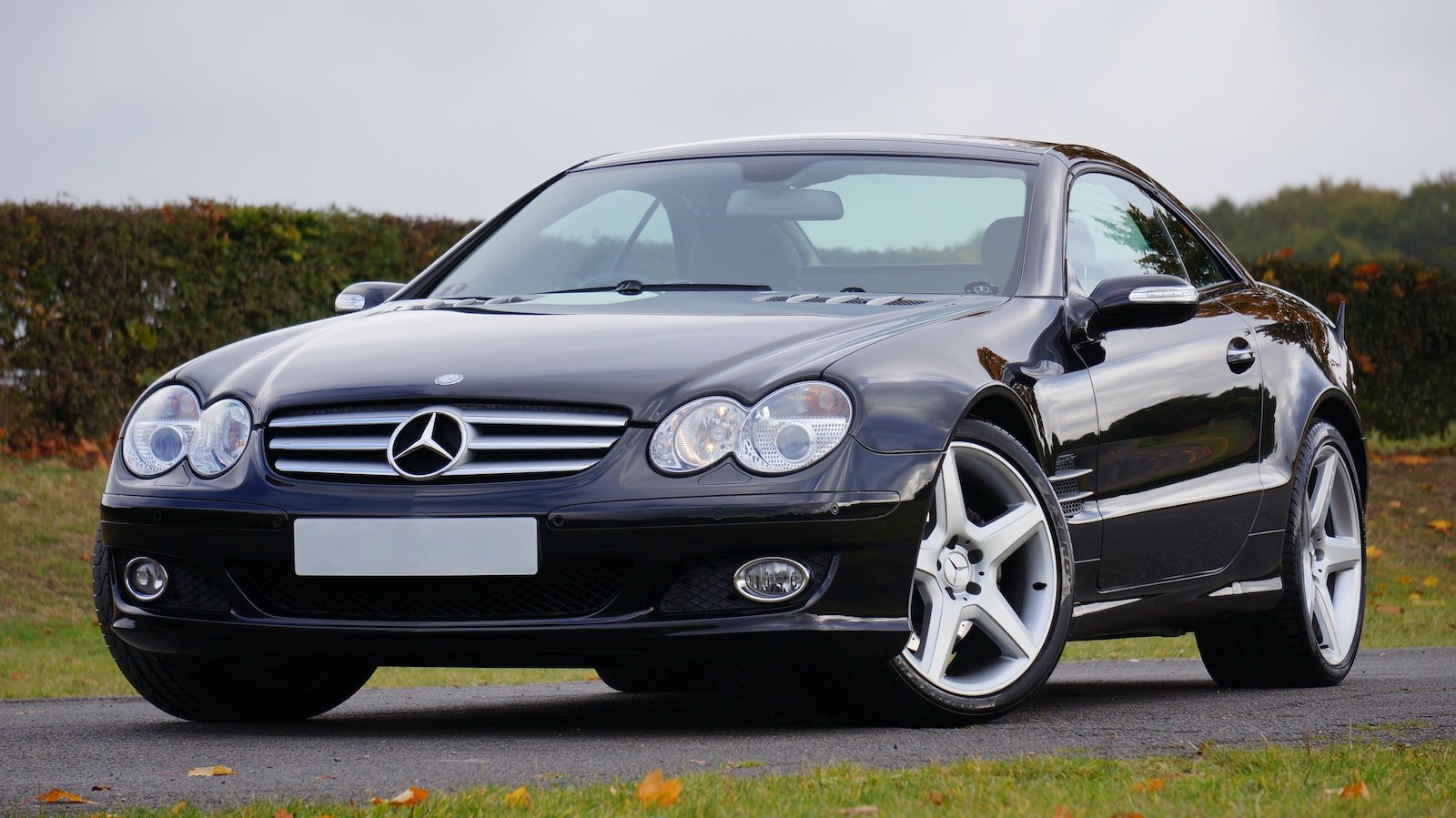
Torque plays a critical role in an engine’s ability to handle heavy loads and provide strong acceleration, unlike horsepower which measures rate of work done. Torque measures rotational force which determines an engine’s pulling power as well as whether or not it can generate enough force to do tasks such as towing or climbing steep hills; in simpler terms it gets you moving from a standstill.
Imagine two vehicles with identical horsepower ratings but different torque outputs; one will feel more responsive, capable of quick acceleration while the other may struggle – this shows just how important torque is when driving realistic scenarios.
Now that we understand the fundamentals of horsepower and torque, let’s explore how these metrics influence everyday driving. For instance, if you need to tow heavy loads frequently, prioritizing an engine with high torque output would likely prove most advantageous; on the other hand, spirited drivers who enjoy quick bursts of acceleration might prefer an engine with greater horsepower output instead.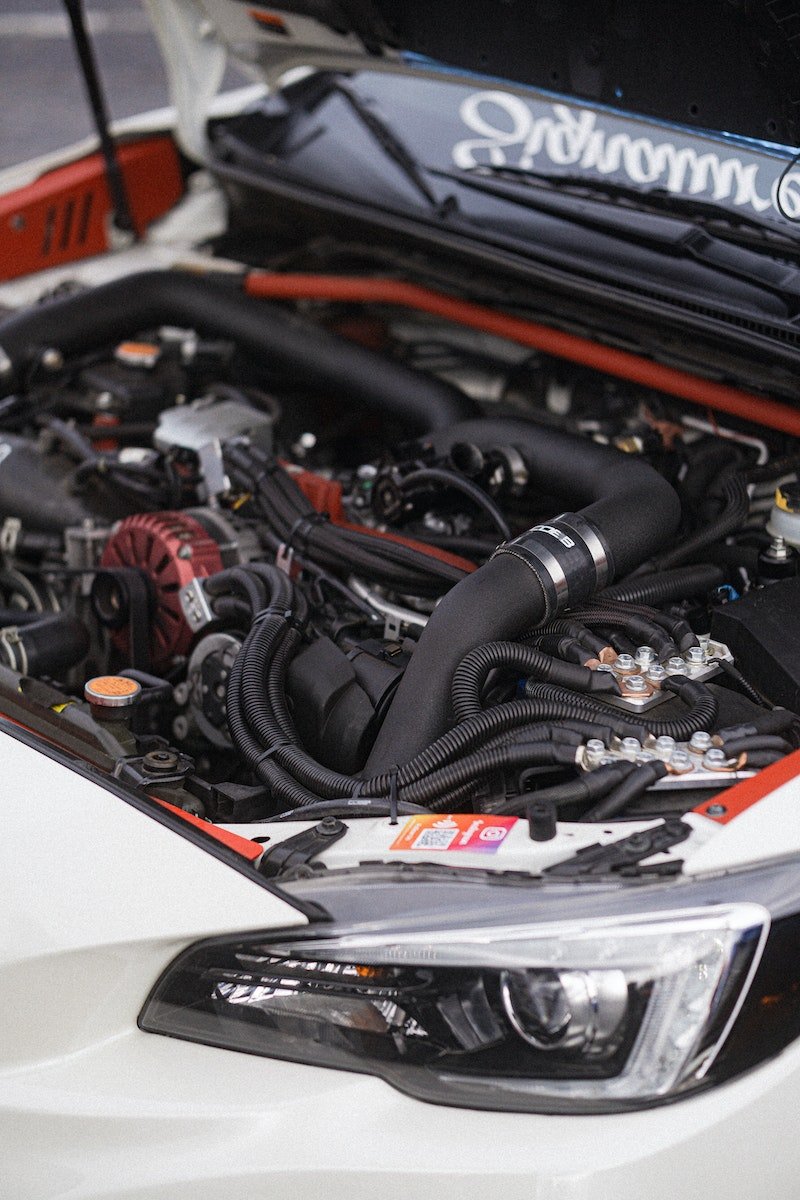
Note that different engines excel in different areas; gasoline engines typically deliver their maximum horsepower at higher RPM (revolutions per minute), providing thrilling high-speed performance, while diesel engines boast robust torque for heavy-duty applications such as towing or hauling.
Understanding both horsepower and torque metrics when assessing engine performance is vitally important. While horsepower measures speed and top-end capability, torque provides low-end power and pulling force – two essential metrics when selecting an engine or vehicle suitable to your specific driving preferences and needs. By considering both metrics when making your selection decision, you can identify an engine or vehicle which meets both these metrics perfectly.
Next time you shop for a car or discuss engine performance, remember to look beyond horsepower figures alone. Instead, take time to learn about torque figures and their correlation to everyday driving demands; you’ll be better positioned to make informed decisions and appreciate how intricately your engine operates.